Preserve Your Sofa: Expert Guidelines for Extended Storage
A quality sofa is a significant investment and often a centerpiece in your living space. If you're planning a move, downsizing, or simply don't have room for your favorite settee, learning how to store your couch the right way is essential. In this comprehensive guide, explore expert-recommended tips and techniques to ensure your sofa remains in pristine condition during long-term storage.
Why Proper Sofa Storage Matters
Sofas, couches, and settees are more than just seating--they often hold sentimental value and represent a substantial financial commitment. Improper storage can lead to a host of issues, such as mold, mildew, fabric discoloration, pest infestation, frame warping, and foul odors. By following expert guidelines, you can prolong the life of your sofa and avoid costly repairs or replacements.
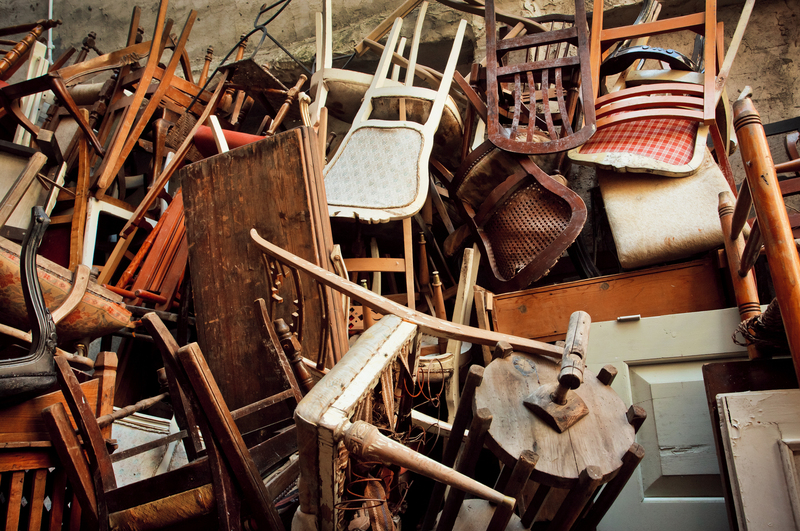
Step-by-Step Guide to Preserving Your Sofa During Extended Storage
1. Clean Your Sofa Thoroughly
One of the golden rules of storing a sofa for an extended period is to have it impeccably clean before storage.
- Vacuum All Surfaces: Use a vacuum with an upholstery attachment to remove dust, crumbs, and pet hair from all crevices, seams, and under cushions.
- Spot Clean Stains: Employ a mild fabric cleaner to tackle visible stains, following the manufacturer's instructions.
- Leather Sofas: Wipe the surface with a damp cloth and condition the leather using a specialized leather conditioner to prevent drying and cracking.
- Dry Thoroughly: Ensure the sofa is completely dry before proceeding--dampness can cause mold and unpleasant odors.
Tip: Always check the cleaning code on your sofa tag for approved cleaning methods.
2. Disassemble When Possible
To better protect your sofa and optimize storage space, disassembling it is highly recommended. Remove:
- Removable Legs
- Cushions and Pillows
- Armrests (if applicable)
Store these components in labeled, breathable bags or boxes to make reassembly easier and minimize the risk of lost hardware.
3. Choose the Right Storage Facility
Protect your investment by selecting a suitable storage unit. Consider:
- Climate-Controlled Storage: Extreme heat, cold, or humidity are major threats to upholstered and leather sofas. Opt for a climate-controlled unit to maintain consistent temperature and humidity levels.
- Cleanliness & Security: Visit the facility to assess cleanliness, pest control, and security measures before committing.
- Proper Ventilation: Adequate ventilation reduces the risk of moisture buildup and mildew.
Storing your couch in a reliable storage facility is often safer than risking damage in a garage or attic.
4. Wrap and Cover the Sofa Properly
Before moving your sofa to storage, it's critical to shield it from dust, dirt, and accidental scrapes.
- Use Breathable Covers: Avoid plastic wraps that trap moisture; instead, use moving blankets, old sheets, or specialized furniture covers.
- Protect Feet and Legs: Wrap wooden or metal feet in towels or bubble wrap to prevent scratches and moisture damage.
- Cushions: Store loose cushions vertically in fabric bags or pillowcases for air circulation.
Pro Tip: Never store a sofa uncovered, even for short periods. Dust and moisture can settle quickly and cause unanticipated damage.
5. Transporting Your Sofa to Storage
Safe transportation is as vital as storage conditions. Take care to:
- Lift Properly: Always lift from the base to avoid damaging the frame.
- Padded Protection: Use furniture pads or blankets during transit to cushion bumps and scrapes.
- Secure Positioning: Prevent shifting in the truck by tying down the sofa, especially during long moves.
Improper handling can undo all your preparation efforts--move your sofa carefully to preserve its structure.
6. Storing the Sofa Correctly Inside the Unit
The arrangement inside your storage unit is crucial for preserving your couch's condition.
- Elevate Off the Floor: Place the sofa on wooden pallets or risers, keeping it above ground to guard against moisture and pests.
- No Stacking: Don't stack heavy boxes or furniture on top of the sofa--it can distort cushions or break the frame.
- Space for Ventilation: Leave space between the sofa and unit walls for airflow.
- Upright Position: Keep the sofa in its natural, upright position to preserve its shape.
Remember: A cramped, overfilled storage unit increases the risk of accidental tears, indentations, and improper airflow.
Advanced Tips for Long-Term Sofa Preservation
Monitor Regularly
Even with all precautions, it's wise to inspect your sofa periodically--especially if storing for 6 months or more.
- Check for signs of pests, mold, or discoloration.
- Ensure the cover remains intact and free from moisture.
- Air out the storage space if possible on dry days.
Add Protective Treatments
Depending on the sofa material:
- Fabric Sofas: Consider a fabric protector spray to guard against moisture and stains.
- Leather Sofas: Regularly apply leather conditioner before and after storage to maintain suppleness.
Dehumidifiers and Silica Gel Packs
Placing silica gel packs or a portable dehumidifier in the storage unit can help control moisture and further prevent mold, mildew, and musty odors--key to maintaining your sofa in storage.
Common Mistakes When Storing Sofas Long-Term (and How to Avoid Them)
- Using Non-Breathable Plastic Wrap: While plastic can prevent dust, it can also trap moisture against your sofa, encouraging mold growth. Always opt for breathable alternatives.
- Storing Without Cleaning: Dirty furniture is a magnet for pests and can develop set-in stains over time.
- Allowing Furniture to Sit Directly on the Floor: Concrete and tiles can conduct cold and breed mold--always use pallets or risers.
- Stacking Heavy Items: Other items placed on top of your sofa can squash cushions and warp frames.
- Neglecting Regular Checks: Issues caught early are easier to fix--schedule brief inspections bi-monthly.
Each of these mistakes can reduce the longevity of your couch in storage. Take proactive steps for peace of mind.
Unpacking and Reusing Your Sofa After Extended Storage
After several months (or years), it's finally time to retrieve your beloved sofa. Ensure a smooth transition with these expert steps:
- Unwrap Carefully: Slowly remove covers and inspect for any signs of damage or pest activity.
- Aerate and Deodorize: Air the couch outdoors (weather permitting) for a few hours. Sprinkle baking soda on fabric or cushions to eliminate any lingering odors, then vacuum thoroughly.
- Sanitize: For fabric sofas, use a handheld steam cleaner if possible. For leather, clean and recondition the surface.
- Reassemble: Attach all removed components, checking hardware for any signs of rust or wear.
- Let It Acclimate: Allow the sofa to settle at room temperature in your home before heavy use to help the materials "relax" after storage.
With patience and proper preparation, your sofa will be ready to serve as the coziest spot in your home once again!

FAQs: How to Store a Sofa Long-Term
-
Q: Can I store my couch in a garage or basement?
A: It's risky due to fluctuating temperatures and humidity, which can warp frames and foster mildew. Climate-controlled storage is always best. -
Q: Should I treat my sofa with pest repellents?
A: You can use natural deterrents like cedar blocks or lavender sachets, but never apply harsh chemicals to fabric or leather. -
Q: What if my sofa develops a musty smell after storage?
A: Air it outside, sprinkle with baking soda, and vacuum. For lingering odors, use a fabric refresher spray. -
Q: Is it safe to stack couches during storage?
A: No--stacking can cause permanent indentations and structural damage. Always store sofas alone in a natural position.
Conclusion: Protect and Preserve Your Sofa for Years to Come
By following these expert-recommended sofa storage guidelines, you can safeguard your investment, ensuring your sofa remains as comfortable and attractive as the day you put it away. From deep cleaning and careful preparation to selecting the right storage environment, every step is vital in extending your sofa's lifespan.
If you've ever wondered how to preserve your couch in storage, these comprehensive strategies make the process easy and effective. With just a little effort, your sofa will greet you in perfect condition, ready to reclaim its cherished place in your living room for years to come.