Man With Van Old Malden

Man With Van Old Malden provides practical removals support for homes and businesses that need a straightforward way to move items within the local area and beyond. The service is built around transport, loading and unloading, and careful handling of furniture, boxes and mixed household goods. It is suited to smaller moves, part-loads and single-item collections where a larger removal setup would be unnecessary.
We work with customers who want a flexible moving van solution without losing sight of the details that matter on the day. That can include getting furniture down stairs, protecting awkward items during transit, and arranging a sensible loading order so the vehicle is used efficiently. The aim is simple: keep the move organised, steady and clear from the first item lifted to the last item delivered.
If you are comparing options, pricing and quotes is a sensible place to start because moving costs usually depend on the volume to be carried, the access at each end, the distance involved and whether the load includes heavier or more delicate pieces. You can also request a quotation once you have a general idea of what needs to go, and keep the rest of the planning focused on the items themselves rather than unnecessary complication. For broader service details, see removal services.
Household moves and local transport
House moves often need more than a vehicle and a pair of hands. Sofas, wardrobes, white goods and boxed belongings all behave differently, so the work usually benefits from a steady method and a clear plan for where everything should be loaded. A man and van arrangement is especially useful when the move is too much for a car but does not require a full-scale crew or large lorry.
For homes in and around Old Malden, the service can be used for one-bedroom flats, family properties, student moves, storage runs and short-notice furniture transport. The practical value lies in the balance of capacity and control: enough room for a meaningful load, but still nimble enough for streets, drives and loading points that suit local conditions. Home moves explains the kind of domestic work commonly carried out under this service.
When preparing a move, it helps to separate what is going, what is staying and what needs special treatment. A brief list of furniture and box counts is often enough for a sensible first discussion, while photos can help with items such as large wardrobes, fragile surfaces or pieces that may need disassembly. That sort of detail makes it easier to plan lifting, vehicle space and access before anything is loaded. If you need to move a full property, house removals gives a wider view of the domestic service range.
What a man with van service can cover

A well-run moving van service is versatile enough to cover many different kinds of household and light commercial transport. It can be used for individual furniture collections, deliveries from a storage unit, appliance moves, or transferring several packed rooms in one visit. The practical advantage is that the service can scale to the job rather than forcing the job to fit a fixed format.
In many cases, the main task is not simply driving from one address to another, but managing the sequence of loading and unloading so items remain safe and easy to place on arrival. Large mirrors, tables, bed frames and boxed belongings all need different handling. Where a load includes items that should not be stacked or squeezed, that needs to be reflected in how the vehicle is packed and how the work is approached on site. More detail about the general vehicle-based offering is available on man with a van.
Good preparation is useful, but it does not need to be complicated. A short note about access, floor level, parking and the heaviest pieces usually gives enough context to organise the move properly. If there are awkward items, tight corridors or limits on where the vehicle can stop, mentioning those points early helps avoid surprises. Clear information saves time and makes the loading stage smoother for everyone involved.
Loading, carrying and careful handling
Loading work is often where the value of a man with van service becomes most obvious. Furniture needs to be lifted without unnecessary strain, wrapped where sensible and placed so that fragile surfaces are not rubbed or crushed. The order in which items are brought out of a property can matter just as much as the route between addresses, particularly when larger items need to be carried through narrow hallways or shared entrances.
Carrying heavy items is easier when the move is planned around the shape of the load. Tall cabinets, awkward chairs, dismantled bed parts and mixed boxes all take different space in the vehicle. Thoughtful packing can also reduce movement in transit, which matters when you are dealing with items that might mark, chip or shift during corners and braking. If your job involves furniture collection rather than a full relocation, furniture pick-up may be a useful related page.
It is also worth considering whether any items need to be dismantled before travel. Some beds, tables and storage units are easier to move when taken apart, but that should be judged against the item itself and the time available. Where dismantling is not needed, we can still manage a careful carry and load. Simple, measured handling is often the best way to protect both the property and the items being moved.
Domestic removals and related services

Domestic removals can involve more than a single journey, especially when a customer is moving between properties, placing some items into storage or combining several household tasks into one day. A flexible van-based approach is helpful because it can deal with partial loads, mixed furniture and a range of access situations without requiring the same scale of equipment for every move. The service can also suit customers who have already packed most items and need transport plus loading support.
When comparing service pages, it is useful to distinguish between broad removal work and more specific domestic options. House movers is a natural fit for general home relocation needs, while house removalists suggests a similar domestic focus with attention to the carrying and moving side of the job. For a wider overview of the trade, removal companies and removal company offer useful context on the kind of work customers commonly seek.
There are also occasions when the move is really a combination of smaller tasks: a few pieces from one property, storage collection from another, and delivery to a third location. In those cases, a van-led service can keep the day more efficient by dealing with all the transport in one arrangement. If your requirements involve a broader list of items, removals provides a general destination for that type of moving work.
Office and business moves
Not every moving job is domestic. Small business premises, studios, workshops and offices often need straightforward transport for desks, filing units, boxed stock and equipment. A man with van service can be a practical option when the move is too substantial for ordinary vehicles but does not justify a full commercial relocation setup. The same basic principles apply: careful loading, sensible packing order and a clear delivery plan.
Business customers often value clarity because office items can include screens, chairs, paperwork, archive boxes and mixed furniture, all of which need different levels of protection. It is sensible to separate anything that should travel upright from items that can be stacked more freely. If the work includes multiple stops or a phased move, the transport plan should reflect that from the outset. For a more detailed look at office work, office removals and office relocation services are relevant pages.
Some commercial moves are also time-sensitive in a practical sense, because the business may want furniture or equipment arranged in a workable order on arrival. That does not mean every task is urgent; it means the loading and unloading sequence should support the next step of the day. Where items are being moved as part of a wider change of premises, commercial moves offers a broader route into that service area.
Planning the quotation and the moving day

A useful quotation starts with basic facts about the job. The number of items, the kind of furniture involved, the starting and finishing points, and any access limits all help to shape a realistic estimate. If there are stairs, narrow entrances, parking restrictions or a need for multiple trips, those details are best mentioned early so the quote reflects the move properly rather than relying on guesswork.
It also helps to think about the move in stages. First comes the load itself: what must be transported, what can be dismantled, and what needs careful wrapping. Then comes the journey and unloading order, which can affect how long the work takes and how easy it is to place everything at the destination. Good planning is not about bureaucracy; it is about avoiding delays, confusion and unnecessary handling.
For customers who want to understand the commercial side of the job, pricing and quotes is the right page to review, while contact us is the place to use when you are ready to ask for a quotation or discuss a move in more detail. If you are comparing related moving pages at the same time, movers can help you think about the style of service you need before you make the enquiry.
About Old Malden
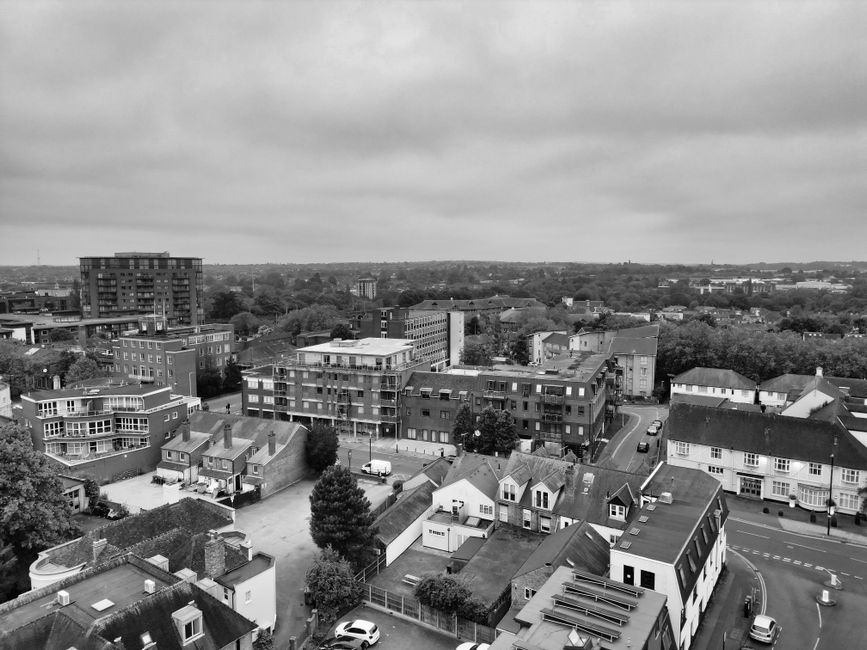
Old Malden is a district in south-west London, within the Royal Borough of Kingston upon Thames, and it sits close to the border with the London Borough of Merton. The area is best known for its residential streets, local shopping parades and rail connections, with New Malden to the west and Worcester Park nearby to the south. Its name reflects a long history: Malden was recorded in the Domesday Book, and the modern distinction between Old Malden and New Malden grew with nineteenth-century railway development. Today the district keeps a quieter suburban character than some surrounding centres, while still being closely tied to wider London travel and services.
Service choices for different move sizes
One advantage of a van-led removals service is that it can be adjusted to the size of the job. A small flat move, a few pieces from storage or a single bulky item all need a different level of preparation, and it is sensible to choose a service that matches the actual load rather than the maximum possible load. That way, the transport remains efficient without becoming overcomplicated.
Where a customer only needs a flexible moving vehicle, moving van and removal van are relevant pages to explore, while moving truck and removal truck hire suit larger or more demanding loads. For terminology that points to the same general type of service, man and van removals and man with van removal can also be useful destinations.
If you are comparing closely related pages, the main question is not the label but the practical fit: how much needs moving, how much carrying is involved and whether the job needs light lifting support or a more transport-focused arrangement. A clear description of the furniture and access conditions usually makes that decision easier. The right service is the one that fits the job cleanly.
Packing, protection and practical extras

Packing support can make a move more manageable, especially where items are mixed, fragile or awkward to stack. Some customers handle the packing themselves and simply need transport, while others want help bringing order to loose household contents before loading begins. The key is to protect items in a way that suits the material: soft furnishings, glass, wooden surfaces and boxed belongings all benefit from different handling and placement.
If packing assistance is required, it is usually best to think about it as part of the wider moving plan rather than as an isolated task. Items that are tightly packed in boxes may travel differently from pieces that are still assembled, so it is sensible to separate what is ready to go from what still needs attention. For more on that type of support, packing and unpacking services is a useful page to review, especially if you want the loading stage to run more smoothly.
After the move, some customers need help with placement rather than transport alone. That can mean taking boxes into the right rooms, positioning furniture sensibly and making sure the load is delivered in a practical order. The work should remain straightforward and deliberate rather than rushed. If you are thinking about a collection for a single item or a few pieces rather than a full move, removals near me and man with van removals are additional ways to reach the same general service family.
Safety, responsibility and the way we work
Transporting furniture and household goods safely depends on more than strength. Careful lifting technique, suitable load placement and a sensible attitude to fragile or oversized items all matter. A responsible moving service should also consider the condition of the property, avoiding knocks to walls, doors and bannisters where possible while taking care not to place unreasonable pressure on the items themselves.
Different jobs can require different practical decisions. Some loads are best wrapped before loading, some should be separated into manageable pieces and some should stay assembled to avoid damage. There may also be circumstances where a route through the property is tighter than expected, which means the order of movement matters. For broader reassurance on how items are managed, insurance and safety and health and safety policy are the most relevant supporting pages.
Where customers are conscious of responsible disposal or reuse, it can be helpful to choose a service that treats items with care from the outset. Not every moving job creates waste, but some collections do involve pieces that are being replaced, donated or repositioned rather than kept. recycling and sustainability offers a related destination for that aspect of the work. If you are ready to arrange your move, use the enquiry route and ask for a quotation in plain terms.