When Access Is Restricted: Solutions for Old Malden Terraces
Posted on 18/06/2026
If you live in an Old Malden terrace, you probably already know the drill: a tight hallway, a narrow staircase, a parked car in the wrong place, and a sofa that looks a lot bigger on moving day than it did in the living room. When access is restricted, moving can feel like a puzzle with one missing piece. This guide to When Access Is Restricted: Solutions for Old Malden Terraces breaks down what actually helps, what tends to go wrong, and how to plan a move that stays calm, safe, and efficient.
We'll look at practical access strategies, local moving realities, the right equipment, and the small decisions that make a big difference. If you are trying to move furniture out of a terrace without scratching walls, blocking neighbours, or turning the morning into chaos, you're in the right place.
Why When Access Is Restricted: Solutions for Old Malden Terraces Matters
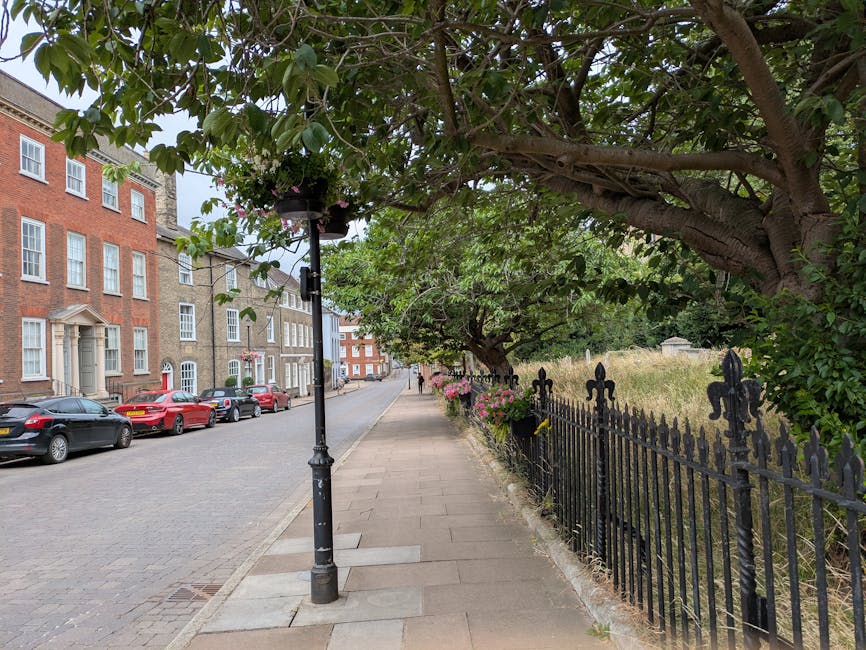
Terraced homes in Old Malden can be lovely, but they are often not designed for modern furniture, bulky appliances, or a full house move. You may have a shared path, a front step with limited turning space, a steep internal staircase, or a narrow rear access route that only works for bins and not beds. That is exactly why access planning matters.
The challenge is not just physical. Restricted access can affect timing, parking, neighbour relations, safety, and the condition of your belongings. A move that should take one careful trip can quickly become several awkward trips if the route has not been planned properly. In our experience, most "difficult moves" are not difficult because of the volume alone; they are difficult because the access was underestimated.
And let's be honest, on moving day nobody wants to discover that the wardrobe will not turn at the top of the stairs. Not ideal. Not even close.
Restricted access also matters because terraces often sit on busy residential roads, where parking space is limited and unloading may need to be done quickly. A sensible access plan helps keep everything moving, reduces stress, and gives you a better chance of protecting both the property and the items inside it.
If you want to prepare properly, it can help to look at related guidance on dealing with narrow Victorian staircases in Old Malden and broader move planning through stress-free house moving advice.
How When Access Is Restricted: Solutions for Old Malden Terraces Works
The idea is simple: instead of trying to force a standard move through a restricted route, you adapt the move to the property. That usually means breaking the job into smaller stages, choosing the right lifting method, and making sure the vehicle, equipment, and team are suited to the environment.
1. Start with an access assessment
Before move day, measure the spaces that matter. That includes:
- front door width
- hallway turning points
- staircase width and head height
- landing space
- outside parking distance
- any steps, slopes, or shared entrances
This is where a quick look often saves a lot of trouble. A wardrobe that seems manageable from the street may become a problem at the top bend of the stairs. The same is true for sofa arms, bed frames, fridge-freezers, and anything with awkward corners.
2. Match the vehicle to the street
Old Malden terraces can sit on roads where larger vehicles are awkward to position. A smaller removal van or a man-and-van setup may be more suitable if the road width or parking arrangement is tight. The goal is to keep unloading as close to the entrance as safely possible without causing a blockage.
3. Use the right carrying method
Restricted access often means carrying items in a controlled way rather than in one rush. That might involve:
- two-person lifts for heavier items
- shoulder straps or lifting harnesses
- furniture protection for corners and edges
- dismantling furniture before moving it
- temporary padding on walls and bannisters
For heavy pieces, it is worth reading more about safe lifting technique and why solo heavy lifting can backfire quickly.
4. Remove friction before it starts
The smaller the moving load, the smoother the access problem becomes. That means decluttering before you pack, separating fragile items early, and deciding what is going into storage instead of squeezing everything through a difficult route. If you need a refresher, the guide to pre-move decluttering is a solid place to start.
5. Protect the property as well as the belongings
Restricted access is not only about getting items out. It is about avoiding scuffed paint, chipped plaster, damaged steps, and the kind of awkward apology you make to a neighbour when a mattress brushes the hedge. Door jamb protectors, floor coverings, and careful route planning all make a difference.
Key Benefits and Practical Advantages
A good access plan does more than reduce stress. It improves the whole move from the first box to the last clean-up sweep.
- Less damage risk: Narrow routes and tight turns are where walls, doors, and furniture get marked.
- Faster loading and unloading: The route is clear, so the team can work with confidence.
- Better control of fragile items: Items are moved in a way that suits their shape and weight.
- Lower physical strain: More efficient lifting means less wear on backs, shoulders, and knees.
- Fewer delays: A move that is planned around access is much less likely to stall halfway through.
- Improved neighbour relations: Nobody appreciates a blocked pavement or a van idling in the wrong place for ages.
There is also a quieter benefit that people sometimes overlook: peace of mind. Once you know the route, the parking, and the order of operations, the move stops feeling like a gamble.
If you are moving a full home rather than just a few items, it can help to combine access planning with proper packing strategy and a realistic plan for local removals in Old Malden.
Who This Is For and When It Makes Sense
This topic matters for more people than you might think. Restricted access is not just a "very old house" issue. It affects anyone moving in or out of a terrace where space is tight or the layout is awkward.
Typical situations where access planning is essential
- small terraced homes with narrow entrances
- properties with steep internal stairs
- homes where parking is limited or shared
- moves involving bulky furniture or appliances
- tenant moves with a strict handover window
- student moves with lots of boxes but little time
- small business relocations from terrace-style premises or converted buildings
It also makes sense if you are moving a single heavy item rather than a full house. A piano, sofa, fridge, or bed frame can create the same access challenge as a larger move if the route is awkward enough. For more specialised situations, take a look at piano removals in Old Malden or furniture removals support.
To be fair, you do not need to own a huge amount of stuff for access to become the main issue. Sometimes one bulky armchair is the problem, not the whole house.
Step-by-Step Guidance
Here is a practical way to approach a restricted-access move without overcomplicating it.
- Walk the route from street to room. Look at every turn, step, threshold, and doorway.
- Measure the awkward items. Don't guess. Measure widths, heights, and diagonal dimensions if needed.
- Decide what should be dismantled. Flat-pack furniture, bed frames, and some tables are often easier in parts.
- Plan the order of removal. Start with larger items and clear pathways before box-by-box loading begins.
- Reserve parking or position the vehicle carefully. A few extra metres can make a big difference.
- Protect walls, flooring, and corners. Simple coverings are better than a repair later.
- Pack by weight, not by random room chaos. Heavy boxes should stay manageable.
- Use the right team size. Two people may be enough for some loads, but not all.
- Keep essentials separate. Documents, chargers, medication, keys, and basic tools should not disappear into the van.
- Leave a little breathing room. A rushed access solution is usually the one that causes damage.
A useful trick: label the awkward items before move day. If something needs lifting at an angle, or cannot be carried upright, note it clearly. That tiny bit of prep saves a lot of head-scratching on the pavement.
If you are still sorting the home before the move, the guide on cleaning before moving out is worth a look, especially if you are trying to balance access, packing, and final checks all at once.
Expert Tips for Better Results
When access is tight, the small things matter. More than they should, sometimes. Here are the tips that tend to help most.
- Choose lighter boxes. A smaller box that is easy to carry is better than one giant box that becomes awkward on the stairs.
- Dismantle smartly. Remove legs, shelves, and loose fittings before you begin.
- Protect corners first. Corners catch on bannisters, door frames, and brickwork more often than the main body of the item.
- Keep one person free to guide. A spotter at doorways or stairs can prevent careless knocks.
- Use storage if the route is too tight for everything at once. Staggering the move can be the right call.
- Check the weather. Rain makes steps and paving more slippery; that matters more than people think.
- Speak to neighbours early. A quick heads-up can reduce friction and avoid a frustrated driveway situation.
It also helps to think about the move as a sequence, not a single event. Remove obstacles, protect the route, move the awkward items, then handle the rest. Clean and simple. Well, as simple as moving house ever gets.
For especially bulky or delicate pieces, pairing access planning with the right specialist support is wise. If the item itself is a concern, see how to move a bed and mattress safely or how to keep a sofa in good condition if it has to be stored first.
Common Mistakes to Avoid
Most access problems are manageable. The avoidable mistakes are what turn them into a headache.
- Assuming the item will "just fit". Sometimes it does. Often it doesn't.
- Ignoring turning space. A doorway width alone is not enough if the landing is too tight.
- Leaving parking until the last minute. This is a classic one. It seems minor until the van is circling.
- Overfilling boxes. Heavy boxes slow everything down and increase risk.
- Forgetting about the final bend in the staircase. That bend is often where the real problem lives.
- Using the wrong lifting method. Not every item should be carried the same way.
- Skipping protection for floors and walls. A little preparation costs far less than repairs.
- Trying to rush a difficult item. Rushing creates the bruises, and the swearing. Both.
If your move involves unclear pricing as well as awkward access, it's worth reading about confusing quotes and hidden fees in Old Malden. Access issues and vague pricing can be a rough combination.
Tools, Resources and Recommendations
You do not need a van full of specialist kit to handle a restricted-access move, but a few basic items make life much easier.
| Tool or resource | Why it helps | Best used for |
|---|---|---|
| Furniture blankets | Protects surfaces from knocks and scuffs | Sofas, cabinets, tables |
| Floor protectors | Reduces damage on hallways and stairs | High-traffic routes |
| Lifting straps | Improves control for heavy loads | Fridges, wardrobes, large boxes |
| Allen keys and screwdrivers | Useful for dismantling on the spot | Beds, shelving, flat-pack furniture |
| Labels and marker pens | Keeps items organised | Box sorting and access staging |
| Measuring tape | Removes guesswork | Doorways, stairwells, furniture dimensions |
For support around item handling, it can be useful to review single-item lifting guidance and the broader service information on removal services.
If you are moving into a flat above a terrace or handling a stop-start move with limited vehicle access, a smaller vehicle can be more practical than a large lorry. A well-chosen removal van in Old Malden or a flexible man and van setup can suit these jobs nicely.
Law, Compliance, Standards and Best Practice
For most domestic moves, the important point is not a pile of legal jargon. It is making sure the work is carried out safely, responsibly, and with reasonable care for people and property. In the UK, that usually means good manual handling practice, sensible risk assessment, suitable vehicle use, and clear communication about access constraints.
Best practice also includes checking that any company you use works in a way that aligns with basic health and safety expectations, has appropriate insurance arrangements, and handles your belongings with care. If you are comparing providers, pay attention to whether they talk plainly about access limitations, not just how cheap the quote looks.
That is where trust really shows. A careful mover will ask questions about parking, staircases, heavy items, and whether anything needs dismantling before the job starts. They will not shrug and hope for the best.
If you want a sense of how a provider approaches safety and responsibility, their health and safety policy, insurance and safety information, and accessibility statement are all sensible places to review. You can also learn more about the company background via the about us page.
For sustainability-minded moves, some people also like to plan reuse and disposal carefully. If that matters to you, the page on recycling and sustainability is worth checking before you throw things away in a hurry.
Options, Methods, or Comparison Table
There is no one-size-fits-all method for restricted access. The right choice depends on the property, the items, and how much time you have. Here is a simple comparison that may help.
| Method | Best for | Pros | Watch-outs |
|---|---|---|---|
| Standard full-house move | Reasonably open access, typical furniture sizes | Simple, efficient, less handling | Can fail badly if access is tighter than expected |
| Smaller van and manual carry | Narrow roads, tighter terraces, smaller loads | More flexible, easier parking | May require more trips |
| Partial dismantling | Large wardrobes, beds, shelving, tables | Improves fit and safety | Needs tools and time |
| Staged move with storage | Very limited access or mixed readiness | Reduces pressure on move day | More planning and scheduling needed |
| Specialist handling for fragile or heavy items | Pianos, antiques, awkward furniture | Better protection and control | Can cost more, but often worth it |
For many Old Malden terrace moves, a hybrid approach works best. You might use a smaller vehicle, dismantle one or two bulky items, and move fragile belongings separately. It sounds a bit piecemeal, but in real life that can be the smoothest route.
If your move is time-sensitive, you may also want to explore same-day removals in Old Malden, although availability and access suitability should always be checked first.
Case Study or Real-World Example
A typical example: a couple moving out of a two-storey terrace in Old Malden with a narrow front entrance, a steep staircase, and parking only available a short walk away. Their biggest problem was not the number of boxes. It was the sofa, the bed frame, and a heavy chest of drawers that would not turn cleanly at the top of the stairs.
Instead of trying to push through on the day, they measured the furniture beforehand, dismantled the bed, removed the drawers from the chest, and separated the sofa legs. They also cleared the hallway the night before, protected the stair edges, and parked the van as close as possible without blocking the road. A couple of items were placed in storage temporarily because the new property was not ready to receive everything at once.
The result? Fewer surprises, no wall scuffs, and a move that felt measured rather than frantic. Nothing magical. Just decent planning.
That kind of approach is especially useful if you are comparing broader home move options such as house removals, smaller-scale flat removals, or temporary storage in Old Malden.
Practical Checklist
Use this checklist the day before and on the morning of the move.
- Measure all major items and the narrowest points of the route
- Clear hallways, landings, and door thresholds
- Protect floors, skirting boards, and corners
- Dismantle furniture that will not comfortably turn
- Separate fragile and high-value items
- Label boxes clearly by room and priority
- Confirm parking or vehicle positioning
- Keep tools, tape, and screwdrivers to hand
- Check weather and footwear for slip risk
- Set aside essentials for the first night
- Let neighbours know if access may briefly affect them
- Build in extra time for the awkward pieces
If you are a student moving from a terrace conversion or a compact rented place, the student removals page for Old Malden may also be useful. Students often have fewer items, but access can still be a real nuisance in the wrong property.
Quick expert summary: measure first, move in stages, protect the route, and use the right vehicle and handling method for the property rather than forcing a standard move into a non-standard space.
Conclusion
Restricted access in Old Malden terraces is not a deal-breaker. It just means the move needs to be planned with a bit more care. Once you understand the route, measure the awkward points, and choose methods that suit the property, the whole thing becomes far more manageable.
The real win is not simply getting everything out of the house. It is doing it without drama, without damage, and without that exhausted feeling that lingers long after the van has gone. A move can be tight, local, and still well handled. Honestly, that is usually the best outcome anyway.
If you are weighing up options, the next sensible step is to review your access, identify the items that need extra handling, and decide whether you need a smaller van, specialist lifting help, or temporary storage. One calm plan beats three rushed guesses.
Get a free quote today and see how much you can save.