Kingston Council Parking Permits for Removals Explained
Posted on 26/06/2026
Moving home in Kingston can be straightforward right up until the van arrives and there is nowhere sensible to stop. That is where Kingston Council parking permits for removals come in. If you are shifting a full house, a flat, or just a few bulky items, understanding how on-street parking arrangements work can save time, stress, and those awkward moments when the driver is circling the block with nowhere to unload. In practice, a little parking planning often makes the difference between a calm move and a very long morning.
This guide explains what these permits are for, when you may need one, how the process usually works, and how to plan your move so access is as smooth as possible. We will also cover common mistakes, compliance considerations, and a few practical tips from the kind of situations that crop up all the time in busy London streets. If you are preparing for a move in the area, it may also help to read about stress-free house moving and packing for a big move alongside this parking guide.

Why Kingston Council Parking Permits for Removals Explained Matters
Parking is not just a side issue on moving day; it is part of the move itself. A removal van needs space to load, space to unload, and enough time for the crew to work safely. In Kingston, as in many parts of London, streets can be tight, busy, and subject to restrictions that are easy to miss if you only look at the road from the front door and assume it will be fine. It often is not.
When you do not plan parking properly, several things can happen. The van may have to park too far away, which means more carrying, slower loading, and more chance of something getting dropped or damaged. A vehicle may end up blocking traffic, which creates tension with neighbours and can attract attention from enforcement officers. Even if nobody gets a ticket, the whole day becomes more tiring than it needs to be. Let's face it, nobody wants to start moving day by apologising to three different drivers and a bus.
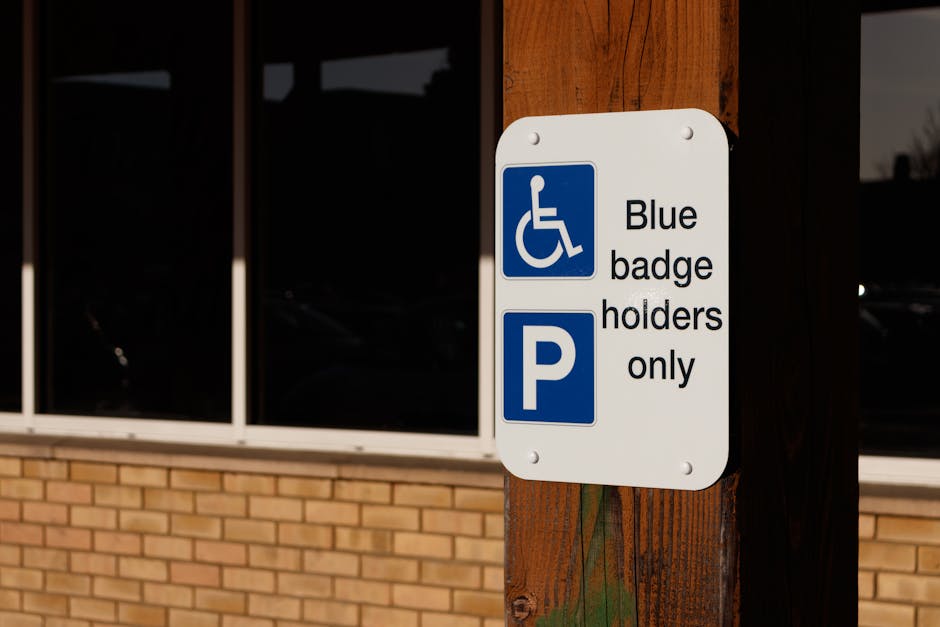
For people moving in or out of flats, terraces, or streets with controlled parking, this is even more important. A permit or dispensation can often provide a legitimate way to stop near the property, but the details matter. Different streets have different rules, time windows, and access constraints. The sooner you look into it, the better your options tend to be.
Expert summary: treat parking as part of the removal plan, not an admin afterthought. The best moves usually feel calm because the access was sorted before the first box was lifted.
How Kingston Council Parking Permits for Removals Explained Works
The exact process can vary depending on the location, the street restrictions, and the type of parking control in place. In broad terms, a removal parking permit or dispensation is a temporary arrangement that allows a vehicle to park in a restricted area for a specific purpose, such as loading or unloading during a move.
Usually, the key questions are:
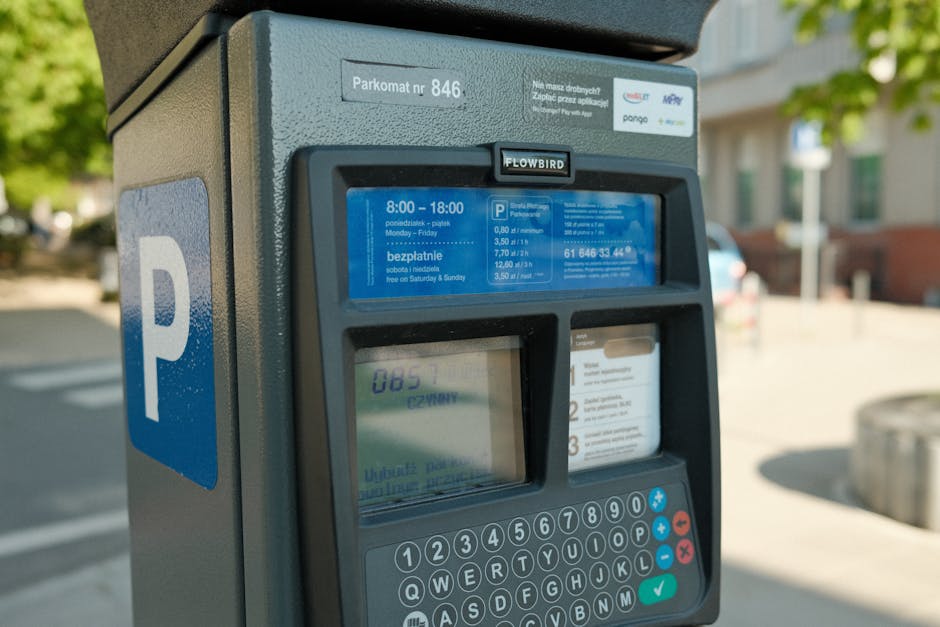
- Is the street resident-only, pay-and-display, permit-controlled, or restricted by time?
- Does the vehicle need to stop directly outside the address, or can it unload nearby?
- Will the removal vehicle be there long enough to need a longer stopping window?
- Are suspension notices or temporary bay changes involved?
In practical terms, you often need to provide the move date, address, vehicle details, and the nature of the activity. Some arrangements are booked in advance, while others may be more limited or subject to availability. A removal company will often ask about parking access early because it affects vehicle choice, crew size, and how they schedule the day.
If your move includes awkward items, such as a piano or a large wardrobe, parking close to the property becomes even more valuable. That is one reason people moving with specialist items tend to plan access carefully and, where needed, book help from a team experienced in careful handling. A useful companion read here is why piano moving is best left to professionals and how to move a bed and mattress safely.
One thing people miss is that parking permission and road access are not the same as a lifting plan. You may secure a stopping space, but if the route from van to property involves steps, narrow halls, or restricted entry, you still need to think through the human side of the move. Kingston's older streets can be charming and a bit awkward. Charming and awkward, a classic combo.
Key Benefits and Practical Advantages
Sorting parking properly is not just about avoiding hassle. It creates practical advantages that ripple through the whole move.
- Faster loading and unloading: shorter carry distances save time and reduce fatigue.
- Lower risk of damage: fewer trips and less time spent manoeuvring heavy items through traffic or around parked cars.
- Safer working conditions: crews can move more efficiently when they do not have to rush or cross live traffic repeatedly.
- Less disruption for neighbours: a planned stop is far easier to live with than a van that keeps edging back and forth.
- Better scheduling: if the parking plan is clear, the whole day can be timed properly.
There is also a confidence benefit. It sounds small, but when you know the van can stop where it should, the entire move feels more under control. That matters. Moving already asks a lot of people, and uncertainty about access tends to feed the stress. A tidy parking plan cuts a surprising amount of background anxiety.
For larger or more complicated moves, it can also help you decide whether you need extra support such as full removal services, a man with a van, or a dedicated removal van arrangement. The vehicle choice and the parking plan should really go hand in hand.
| Parking approach | Best for | Main advantage | Main drawback |
|---|---|---|---|
| Standard roadside space | Short moves with light access needs | Simple if space is available | Not reliable in busy streets |
| Temporary permit or dispensation | Most household removals in controlled streets | More predictable access | Requires planning and approval |
| Bay suspension or reserved stopping area | Moves where curb space is limited | Best for keeping the van close | May need more lead time and careful coordination |
Who This Is For and When It Makes Sense
This topic matters to anyone moving in a part of Kingston where parking is controlled or scarce. That includes terraced homes, flats, maisonettes, older residential streets, and properties where the nearest suitable parking space may be a bit of a walk away. If the van would have to double park, block access, or sit in a resident-only bay, you should assume planning is needed.
It is especially relevant if you are:
- moving from a flat with limited front-door access
- living on a narrow road with parked cars on both sides
- moving in or out during a busy time of day
- handling large items like sofas, beds, or appliances
- using a larger van that needs more room to position safely
- moving from a property near a station, high street, or busier junction
Students moving into shared accommodation often underestimate this. The move feels small, so parking feels like a detail. Then the van arrives and there is nowhere to stop. If that sounds familiar, the planning advice in student removals guidance and local moving tips near Malden Manor Station may help put the wider picture into context.
It also makes sense for office or business moves where loading windows are tighter and access is shared with deliveries, customers, or other building users. On a practical level, the more people or vehicles involved, the more valuable a clear parking arrangement becomes.
Step-by-Step Guidance
Here is the most sensible way to approach parking for a removal in Kingston. Keep it simple, but do not leave it late.
- Check the street restrictions early. Look at the parking controls outside the property and nearby alternatives. Do not assume the space outside is usable just because it is empty at the time you checked.
- Work out what the removal vehicle actually needs. A small van, luton van, or larger removal vehicle may have very different parking requirements. Height, length, and turning space all matter.
- Estimate the loading time honestly. If you think it will take one hour, plan for more. Boxes always seem lighter in your head on Tuesday than they do on moving day.
- Arrange any required permit or parking dispensation. Give yourself enough lead time and make sure the details match the move exactly: date, address, and vehicle type.
- Tell the removal company about the parking situation. This helps with vehicle planning and crew timing. If access is awkward, say so plainly.
- Prepare the walking route. Keep hallways clear, protect floors where needed, and make sure keys, lift access, and entry codes are ready.
- Reconfirm the day before. A quick check can prevent silly last-minute surprises, which is usually where problems begin.
If your move is more complex, you may want to combine parking planning with pre-move decluttering and careful packing. Fewer items means fewer trips, which can be a big deal if parking is only available for a narrow window.
A practical detail that often gets forgotten: if the van has to wait while you finish clearing the last cupboard, that waiting time may be awkward for everyone. Keep a "last out" box with essentials, paperwork, keys, and snacks. Sounds minor. It really is not.
Expert Tips for Better Results
Over the years, the best moves share a pattern. They are rarely the ones with the fanciest labels or the most elaborate plans. They are the ones where the obvious friction points were handled early.
- Book access before you book chaos. If you know the street is tight, deal with parking before you start loading boxes into the hallway.
- Measure the curb, not just the room. A van may be fine for the furniture but awkward on the road if corners are tight or cars are parked close.
- Use the quietest window available. Mid-morning or early afternoon can sometimes be easier than peak commuter hours, though this depends on the street.
- Protect the property and the van route. Moving blankets, door protection, and floor coverings can help, especially when the walk from road to front door is long.
- Keep communication simple. One clear message to the driver or removal team is better than three half-updated ones sent from a mobile in the stairwell.
If your building has stairs, tight corners, or awkward access, parking becomes even more valuable because every extra step adds to the effort. For that reason, articles like dealing with narrow Victorian staircases and solutions for restricted access terraces are worth a look if your property has any of that classic London complication.
One more thing: think about weather. A rainy morning can turn a simple carry into a slippy, annoying little ordeal. If there is any chance of wet conditions, allow a bit more time and make sure the route from van to door is as clear as possible. Not glamorous, but useful.
Common Mistakes to Avoid
Most parking-related moving problems are preventable. The trick is knowing what tends to go wrong.
- Leaving parking arrangements until the last minute. This is the big one. The later you leave it, the fewer options you usually have.
- Assuming a permit is automatic. Temporary parking arrangements often need an actual request or approval.
- Using the wrong vehicle details. If the permit or dispensation is tied to a specific vehicle, make sure the registration and size match.
- Forgetting the loading time. A short stop may be fine for one or two items, but not for a full household move.
- Ignoring nearby restrictions. Double yellow lines, bus stops, permit bays, school zones, and timed restrictions can all affect the plan.
- Not telling the neighbours or building management where relevant. A little notice can reduce complaints and confusion.
Another common mistake is assuming that "the van can just park around the corner." Sometimes it can. Sometimes that extra corner adds ten minutes, two extra lifts, and a lot of heavy breathing. It is better to be honest about access than optimistic in a way that becomes expensive later.
And if you are moving furniture yourself before the main day, take care with lifting. Poor lifting technique and rushed parking decisions are a bad combination. You can read more about safer handling in this guide to kinetic lifting and advice for solo heavy lifting.
Tools, Resources and Recommendations
You do not need a complicated toolkit, but a few practical items make the whole day easier.
- Printed move plan: a simple sheet with address, timing, parking notes, and contact names.
- Measuring tape: useful if you need to judge whether the van can sit close enough to the entrance.
- Phone battery pack: you will probably be checking messages, maps, and arrival times more than you expect.
- Box labels and marker pens: reduce confusion and speed up unloading.
- Floor protection or old blankets: handy if the route is long or the weather is poor.
It also helps to think beyond parking and look at the move as a system. Good packing, safe lifting, and sensible vehicle choice all reduce pressure on the parking plan. If you need a broader overview of moving support, a services overview can help you understand the different types of help available, while pricing and quotes information is useful if access issues may affect the final cost.
If you have items that need special handling, such as sofas, freezers, or other bulky goods, these related guides are worth a look: sofa storage guidance and how to store a freezer properly. They may sound like side topics, but in real life they are the things that slow moves down.
Law, Compliance, Standards, or Best Practice
For parking and removal work in the UK, the safest approach is to follow the local parking rules for the street and any instructions tied to the permit or dispensation. If a council permission is required, do not treat it like a suggestion. Use the arrangement exactly as issued, within the permitted time window, and for the correct vehicle and purpose.
From a best-practice perspective, removal firms should plan access in advance, keep the vehicle appropriately positioned, and avoid unsafe loading that blocks traffic more than necessary. A reputable team should also take care with property access, floor protection, and manual handling. That matters because a move is not just about speed. It is about doing the job without causing damage, injury, or unnecessary disruption.
If you are hiring help, it is sensible to work with a company that takes safety, insurance, and transparent working practices seriously. Those details do not solve parking on their own, but they do help you trust the overall process. The related pages on insurance and safety, health and safety policy, and terms and conditions can give a clearer picture of how a professional provider frames its responsibilities.
To be fair, compliance often sounds dry until it goes wrong. Then it is all anyone cares about. A parking problem, a blocked road, or an ignored restriction can quickly become a nuisance for everyone around you. Best practice is simply the calm, sensible route.
Options, Methods, or Comparison Table
If you are deciding how to handle parking for removals, the main options usually fall into three broad approaches. The right choice depends on the street, the size of the move, and how much time you want to spend thinking about it on the day.
| Method | What it involves | Good for | Watch out for |
|---|---|---|---|
| Relying on available roadside parking | Using an open space if one happens to be free | Very small moves, flexible timings | Unreliable, risky in busy streets, may force a long carry |
| Temporary permit or dispensation | Arranging permission for loading/unloading near the address | Most domestic removals in controlled streets | Requires planning and correct details |
| Dedicated access plan with bay suspension or reserved space | Securing a more controlled stopping area | Busy streets, larger vans, complex properties | May need more lead time and tighter coordination |
In plain English: if your move is simple and the road is quiet, a basic approach may be enough. If your move involves a flat, a terrace, a larger van, or a narrow road, a more formal arrangement is usually worth the effort. The extra admin is often cheaper than the stress, and honestly, much cheaper than losing half an hour to guesswork.
Case Study or Real-World Example
Here is a realistic example based on the kind of move that happens all the time.
A couple moving out of a first-floor flat in Kingston had a decent amount of furniture, including a sofa, bed, dining table, and several boxes of books. The street was narrow, with resident parking on both sides, and the nearest available space could not be guaranteed. Instead of turning up and hoping for the best, they checked the parking restrictions early, arranged the necessary temporary stopping arrangement, and told the removal team exactly what the access looked like.
On the day, the van could stop close enough to the entrance for loading to happen without repeated long carries. That made a real difference. The crew worked steadily, the shared hallway stayed clear, and the couple did not have to shuffle items around cars or wait for another driver to move. Nothing dramatic. Just a smoother morning, fewer raised voices, and no one having to carry a mattress down the road like a comic sketch.
If they had skipped the parking planning, the move probably still would have happened. But it would have taken longer, felt more stressful, and increased the chance of small damage or neighbour complaints. That is the sort of thing people only notice after the fact. Planning feels boring until it saves the day.
Practical Checklist
Use this checklist before moving day. Keep it simple and tick things off in order.
- Confirm the full moving address and date.
- Check the street's parking restrictions and loading rules.
- Decide whether a permit, dispensation, or reserved stopping plan is needed.
- Share vehicle details with everyone involved.
- Tell the removal company about stairs, distances, entry codes, and any access limits.
- Clear the hallway and the area around the door.
- Protect floors, walls, and door frames where needed.
- Label boxes so unloading is quicker.
- Keep keys, documents, and essentials in one easy-to-reach bag.
- Double-check the plan the day before and again in the morning if needed.
If your move involves storage as well as parking, it is worth planning the sequence carefully. A useful related read is storage options in Old Malden, especially if your move-out and move-in dates do not line up neatly. That happens more often than people expect.
Key takeaway: parking may look like a small admin task, but for removals it is often one of the biggest factors in whether the day feels smooth or messy. Handle access early and the rest becomes much easier.
Get a free quote today and see how much you can save.
Conclusion
Kingston Council parking permits for removals are really about one thing: making sure a moving vehicle can stop where it needs to, for long enough to load or unload without causing avoidable disruption. If you treat parking as part of the removal plan rather than a last-minute detail, the whole move becomes safer, quicker, and much less stressful.
For most people, the smartest approach is simple: check the restrictions early, speak clearly with your removal team, plan for a realistic loading time, and keep your paperwork and access details close at hand. A smooth move rarely happens by accident. It happens because the unglamorous bits were dealt with first.
And once the boxes are in, the kettle's on, and the van has gone, you will be very glad you did.