Old Malden High St Business Move Guide for Shops
Posted on 14/05/2026
Moving a shop on or near Old Malden High Street can feel like trying to juggle receipts, stock, signage, and a lease handover all at once. One minute you're serving customers, the next you're trying to work out where the till, the display shelves, and that awkward back-room freezer are going to end up. Truth be told, a retail move is never just about lifting boxes. It's about protecting sales, keeping the business visible, and making sure the handover is tidy enough that you can reopen without chaos.
This Old Malden High St Business Move Guide for Shops brings the process down to earth. It explains how to plan a shop relocation properly, how to reduce downtime, what to pack first, how to deal with stock and fixtures, and where local removal support can make life a lot easier. If you need a practical route from one premises to another, this guide is for you.
Before you start, it helps to look at the move as a sequence, not a scramble. The more you break it into stages, the less you'll end up doing at 7pm with a roll of tape stuck to your elbow. We've seen that happen more than once.

Why Old Malden High St Business Move Guide for Shops Matters
For a shop, a move is not a simple relocation. It affects customer access, stock levels, supplier deliveries, staff routine, payments, branding, and even your opening hours. On a busy local high street, timing matters too. A poorly handled move can mean missed trade, frustrated customers, and a week that disappears into admin instead of sales.
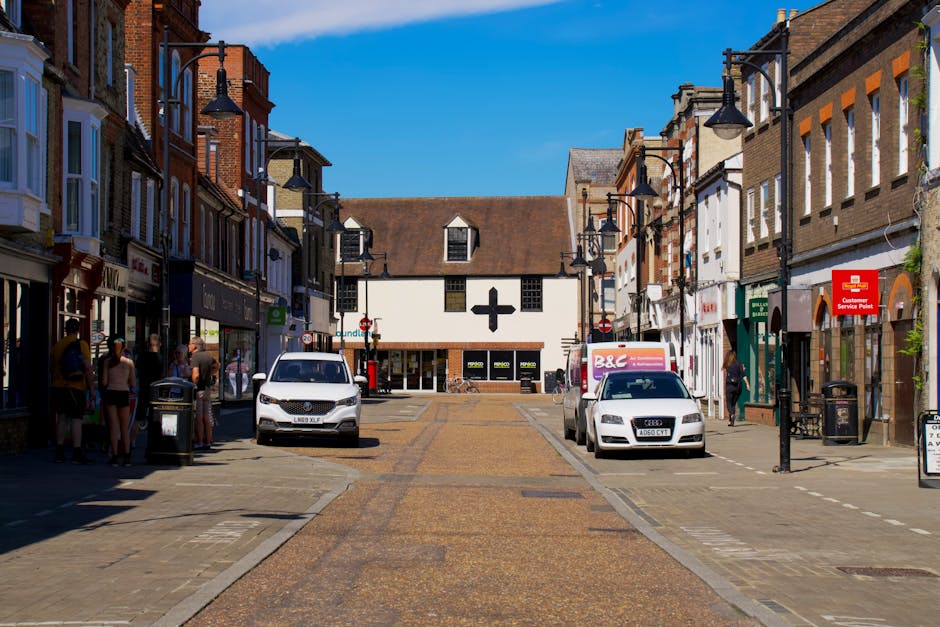
Old Malden High Street has the kind of practical, everyday flow that shops depend on: people popping in for essentials, regulars who know your face, and footfall that can change depending on the day and time. If you disappear for too long, customers may drift. Not forever, but enough to matter. That is why moving with a clear plan matters so much for shops in the area.
The other reason this guide matters is risk. Stock can be damaged. Fridges can be left unplugged too long. Cash machines, card readers, and display units can be mislaid. And let's be honest, the stressful bit is often not the van itself, but the small things you only remember at the last second. The spare keys. The till rolls. The "where did we put the mop?" moment.
A good move plan cuts out the guesswork. It gives you a sequence, a deadline, and a sense that things are under control. That alone is worth a lot.
How Old Malden High St Business Move Guide for Shops Works
A successful shop move usually works in phases. First you assess the premises, stock, and fixtures. Then you decide what travels, what is sold off, what is stored, and what should be disposed of responsibly. After that comes the packing stage, the transfer of specialist items, the move day itself, and the setup of the new unit.
For most independent retailers, the process is a mix of logistics and judgement. You are not only moving items. You are deciding what business continuity looks like. For example, a gift shop may need shelves and curated stock ready on day one, while a small convenience store may need refrigeration, POS equipment, and fast access to best-selling lines first. Different shop, different priorities.
If your move includes office-like admin equipment, signage, or customer furniture, you may also need broader support from office removals in Old Malden and the wider removal services in Old Malden network. That can make the logistics much smoother than trying to improvise with a few friends and a borrowed car, which, to be fair, sounds cheaper until the first thing scrapes a doorway.
There is also a practical side to planning around access. Some shops on busy stretches need better loading timing, smaller vehicles, or a staged handover. That is where a flexible approach, sometimes using a man and van in Old Malden or a dedicated removal van in Old Malden, can be a sensible fit.
Key Benefits and Practical Advantages
When a shop move is planned properly, the benefits show up quickly. You do not just save time; you protect revenue, reduce stress, and arrive with the right items in the right place.
- Less downtime: A good sequence helps you reopen faster and keep trading sooner.
- Lower damage risk: Correct packing and handling protect stock, fixtures, and specialist equipment.
- Better stock control: You know what moved, what stayed, and what needs replacing.
- Cleaner handover: Leaving a unit tidy can help with deposit return and landlord relations.
- Improved staff coordination: Everyone knows their role instead of asking the same question five times.
- More confident reopening: The new shop feels organised, not half-finished.
There is another benefit people overlook. A move is a chance to declutter the business. Old display bits, broken hangers, stale packaging, unused office stationery, and duplicate fixtures can quietly eat space for years. A move forces a reset. That can be a relief, honestly.
If your move includes furniture, cabinets, or other bulky items, it can help to review practical guidance on furniture removals in Old Malden and, where storage is needed, storage options in Old Malden. Those two decisions alone often determine how calm or chaotic the project feels.
Who This Is For and When It Makes Sense
This guide is for independent shop owners, franchise operators, managers, landlords arranging a tenant move-out, and anyone coordinating a retail relocation on or around Old Malden High Street. It is especially useful if you are moving one of the following:
- a convenience shop or mini-market
- a salon, barbershop, or beauty retail space
- a small boutique or gift shop
- a pharmacy or health-related retail premises
- a cafe with retail display items
- a specialist store with fragile stock or display units
It also makes sense if your business move is being forced by lease expiry, rising rent, refurbishment works, or a better location nearby. Sometimes the move is planned. Sometimes it is not. Either way, the same basics apply.
If you are moving a tiny shop with only a few fittings, you may be fine with a light-touch service. If the premises are larger, or if there are multiple heavy items and limited access, a more organised move with experienced help becomes much more attractive. You can compare options through removal companies in Old Malden or explore the general Old Malden removals service first.
Step-by-Step Guidance
Here is the practical route we would recommend for most shop moves. Keep it simple, keep it written down, and keep one person in charge. Too many cooks, as they say, can make a soup of the schedule.
1. Audit the shop before packing anything
Walk the shop with a notebook or spreadsheet. List stock, shelving, display items, signage, equipment, paperwork, and any items that are leased or belong to suppliers. Mark what is essential for day-one trading and what can wait. This step sounds basic, but it saves mistakes later.
2. Decide what stays, what goes, and what goes into storage
Not everything needs to move immediately. Some items may be slow sellers, seasonal stock, or duplicate fittings. If you need short-term holding space, it is worth arranging local storage in Old Malden so the new unit stays uncluttered.
For shop owners who are tightening margins, this stage is also a chance to reduce waste. Many business owners use a move to clear out damaged stock or donate usable items. If sustainability matters to your brand, that step can support a better public image too.
3. Create a moving timetable
Build a realistic schedule. Work backwards from your reopening date. Include packing, disassembly, cleaning, transport, installation, stock placement, and a buffer for delays. A buffer is not a luxury. It is the difference between calm and panic when something takes longer than expected.
4. Pack stock by category and priority
Group items by shelf, department, or sales priority. Use clear labels, and keep a short inventory for each box or container. Fast-moving items should be easiest to access on arrival. If you need structured packing support, the advice in this packing guide for a big move is worth reading before you start.
5. Handle fragile and specialist items separately
Glass display cases, mirrors, delicate decor, tills, card readers, and any specialist equipment should not be packed loosely with general stock. If you have a piano in the premises, perhaps for a music shop or venue, use a dedicated service such as piano removals in Old Malden. That kind of item is no place for guesswork.
6. Prepare furniture and fixtures for transport
Disassemble what can be safely dismantled, bag the fixings, and label each bag clearly. Shelving, counters, desks, and display units should be wrapped and protected. If a bulky item is going into temporary storage, read up on how to protect furniture in storage so fabric and surfaces do not suffer while waiting for the next stage.
7. Clean and hand over the old premises properly
A clean handover matters more than many people expect. Dust on skirting, debris in storage corners, sticky floors, and leftover fixings can all become a dispute point later. A useful reference is these moving-out cleaning tips, which translate very well to commercial spaces too.
8. Move with the right vehicle and lifting method
Some shop moves only need a small van. Others need a larger vehicle, multiple trips, or a team who knows how to handle awkward loads through narrow access points. If you are comparing service styles, man with a van in Old Malden can suit lighter, quicker jobs, while a fuller removals service in Old Malden may be better when the move is larger and more layered.
9. Set up the new shop in trading order
Bring in day-one essentials first: tills, card machines, signage, cleaning supplies, price labels, best-selling stock, and any items needed to greet customers properly. Then build the rest around that. A shop that opens with the essentials in place looks intentional, even if a few boxes are still waiting in the back room.
10. Test systems before reopening
Check power, lighting, payment systems, alarms, Wi-Fi, refrigeration, and display stability before you welcome customers. If a fridge needs time to settle after transport, follow the manufacturer's advice rather than rushing it. That kind of detail prevents little disasters later.
Expert summary: The best shop moves are not the fastest ones; they are the ones that protect stock, reduce avoidable downtime, and let the business reopen with confidence. Smooth beats rushed every time.
Expert Tips for Better Results
Small improvements make a surprisingly big difference during a retail move. Here are the habits that tend to pay off.
- Number every box and crate. A box marked "display" is helpful; a box marked "display 3 of 7, shelf B" is better.
- Use colour coding. Blue for stockroom, red for tills, green for front-of-shop, for example. Simple, but effective.
- Photograph your current layout. Take wide shots of shelving, wiring, and counter setups before dismantling anything.
- Keep a small survival kit separate. Tape, scissors, chargers, cloths, pens, bin liners, and spare labels should never be buried in a random box.
- Move high-value items early. Keep them under control rather than leaving them for the final rush.
- Protect your back. It sounds obvious, but a shop move can tempt people into lifting things the wrong way. The basics in safe lifting techniques are worth following.
One small but useful trick: place a note inside the new premises listing the first five tasks after unloading. It sounds almost too simple. Yet when you arrive tired, with traffic noise outside and the kettle still packed, that note becomes very useful indeed.
If you are moving a heavier home-style item as part of the shop fit, such as a bed used in a mixed-use unit or staff accommodation, it may help to review how to move a bed and mattress safely. The principles are similar: protect, label, and keep the load stable.

Common Mistakes to Avoid
Retail moves often go wrong in predictable ways. The good news is that most of them are preventable.
- Leaving packing too late: This is the classic one. It usually ends in rushed labelling and missing items.
- Mixing stock with fixtures: You'll waste time at the new premises trying to separate everything again.
- Ignoring access limitations: A large van is not always the best van if the loading point is tight or time-restricted.
- Forgetting utilities and services: Internet, phone lines, power, and card processing all need checking before opening.
- Not assigning one decision-maker: If everyone is responsible, nobody is.
- Skipping the clean-down: It can cause awkward handover issues and leave the old unit looking worse than it should.
- Trying to do heavy lifting solo: You can save a few pounds and lose a whole afternoon. Not a great trade.
A surprisingly common problem is the "we'll remember where that goes" assumption. You won't. Nobody does, not after the third trip and a rushed tea break. Label it now, thank yourself later.
If the move is urgent or the schedule has gone sideways, a same-week solution may be possible through same day removals in Old Malden. That said, last-minute moves are always harder on stock control, so use them as a backup rather than a first choice.
Tools, Resources and Recommendations
You do not need a warehouse full of equipment to move a shop properly, but a few tools help a lot.
| Tool / Resource | Why It Helps | Best Used For |
|---|---|---|
| Heavy-duty boxes and crates | Protect stock and stack more safely | Retail inventory, documents, small fixtures |
| Bubble wrap, blankets, and corner protection | Reduces damage to fragile or polished surfaces | Glass, mirrors, display units |
| Label printer or strong marker pens | Makes sorting faster at both ends of the move | Box numbering, priority coding |
| Dollies and sack trucks | Helps move heavier loads with less strain | Stock cartons, fittings, equipment |
| Inventory sheet or spreadsheet | Tracks what has moved and what still needs attention | Stock counting, handover notes |
| Removal team with local experience | Handles access, timing, loading, and transport more efficiently | Most retail relocations |
For packing materials, many shops benefit from using a dedicated local supplier or a service that already understands fragile retail goods. The page on packing and boxes in Old Malden is a useful starting point if you want the right materials instead of making do with whatever is lying around in the stockroom.
If your move includes surplus stock or items that need holding back for a while, storage can stop the new site from feeling cramped on opening week. That little bit of breathing room matters more than people think.
Law, Compliance, Standards, or Best Practice
Shop moves do not usually require dramatic legal steps, but there are still important duties and best practices to respect. The exact requirements depend on your business, lease, insurer, and the nature of the goods you sell, so careful checking is wise.
At a practical level, you should think about:
- Lease obligations: Check your contract for dilapidation, reinstatement, notice periods, and handover standards.
- Insurance cover: Confirm whether stock, transit, and premises cover still apply during the move.
- Health and safety: Plan lifting, access, and trip hazards properly, especially if staff are helping.
- Fire safety and electrical safety: Make sure equipment is isolated, moved carefully, and restarted safely.
- Data and payment security: Protect customer data, card terminals, and any devices with stored information.
- Waste handling: Dispose of packaging, broken fittings, and obsolete stock responsibly.
It is also worth working with companies that publish clear policies. Reading a provider's health and safety policy, insurance and safety information, and terms and conditions gives you a better sense of how they operate. That may sound dry, but it is exactly the kind of dry detail that saves stress later.
For businesses that care about disposal and reuse, the recycling and sustainability approach can also help you decide what to keep out of landfill. A move is a good chance to be a little cleaner about what leaves the business.
Options, Methods, or Comparison Table
There is more than one way to move a shop. The right method depends on size, budget, timeline, and how much heavy lifting you want to avoid.
| Approach | Best For | Pros | Watch Outs |
|---|---|---|---|
| DIY with staff | Very small moves, light stock, simple access | Lower upfront spend, full control | Higher physical strain, more chance of delays or damage |
| Man and van | Smaller shop moves or staged transfers | Flexible, efficient, useful for short-notice work | May not suit large fixtures or multiple load phases |
| Full removal service | Larger shops, fragile items, business-critical relocations | More support, better organisation, less disruption | Usually costs more than a basic transport-only option |
| Hybrid approach | Moves with mixed needs | Can balance budget and support well | Requires very clear planning and division of responsibilities |
If you are unsure which route fits best, a conversation with a local team can help. Sometimes the cheapest option is not the cheapest by the end of the week, especially if damaged stock or lost trading time gets involved. That old chestnut again.
Case Study or Real-World Example
Imagine a small independent gift shop moving from one unit on or near Old Malden High Street to another nearby location with slightly better footfall and a cleaner layout. The business has shelves, wrapped stock, a till counter, decorative items, and a few fragile window-display pieces.
Instead of packing in a rush, the owner spends two weeks preparing. Seasonal stock is boxed first. Slow-moving items are checked and discounted. Fixtures are photographed, then dismantled carefully. The till hardware and card reader are packed in a separate, clearly marked box. The team books a removal window for early morning, when traffic and pedestrian flow are lighter. The old unit is cleaned the same day, and the new site is set up in priority order: till, stockroom, front-of-shop display, then the decorative finishing touches.
The result? The shop reopens looking controlled rather than chaotic. Customers walk in and see continuity, not confusion. A few boxes still sit in the back room, of course. That is normal. But the business is trading again, and the owner hasn't spent the whole week putting out fires.
That sort of move is not glamorous. It is just well managed. And in retail, well managed usually wins.
Practical Checklist
Use this as a straightforward pre-move checklist for a shop relocation in Old Malden.
- Confirm move date, access times, and loading restrictions.
- Review lease terms and handover requirements.
- Check insurance cover for stock, equipment, and transit.
- Back up any digital records and payment-related files.
- Set aside day-one essentials for the new shop.
- Label stock by department, shelf, or priority level.
- Pack fragile items separately and wrap them properly.
- Photograph current fittings and cable layouts before dismantling.
- Book the right vehicle and team for your load size.
- Arrange storage if the new unit cannot take everything at once.
- Prepare cleaning supplies for the old and new premises.
- Test utilities, power, lighting, and payment systems before reopening.
- Set a final sweep for rubbish, fixings, and forgotten items.
- Leave a clear sign or note if staff will open the next day.
If you want a broader reference point for residential-style planning habits that also work well for small businesses, the Malden Road moving checklist is a useful companion read. Different setting, same principle: a calm checklist beats a frantic memory every time.
Conclusion
A shop move on Old Malden High Street does not have to be messy, expensive, or all-consuming. With a clear sequence, realistic packing, proper protection for stock and fixtures, and the right local support, you can move with far less disruption than many business owners expect.
The best results usually come from simple habits: label well, lift safely, plan access carefully, and keep day-one trading at the centre of every decision. If you do that, the move becomes a business reset rather than a setback. And that is really the point, isn't it?
Get a free quote today and see how much you can save.
Take your time with the plan, trust the process, and give the new shop a proper chance to start well. A thoughtful move now can make the next trading chapter feel a lot lighter.